
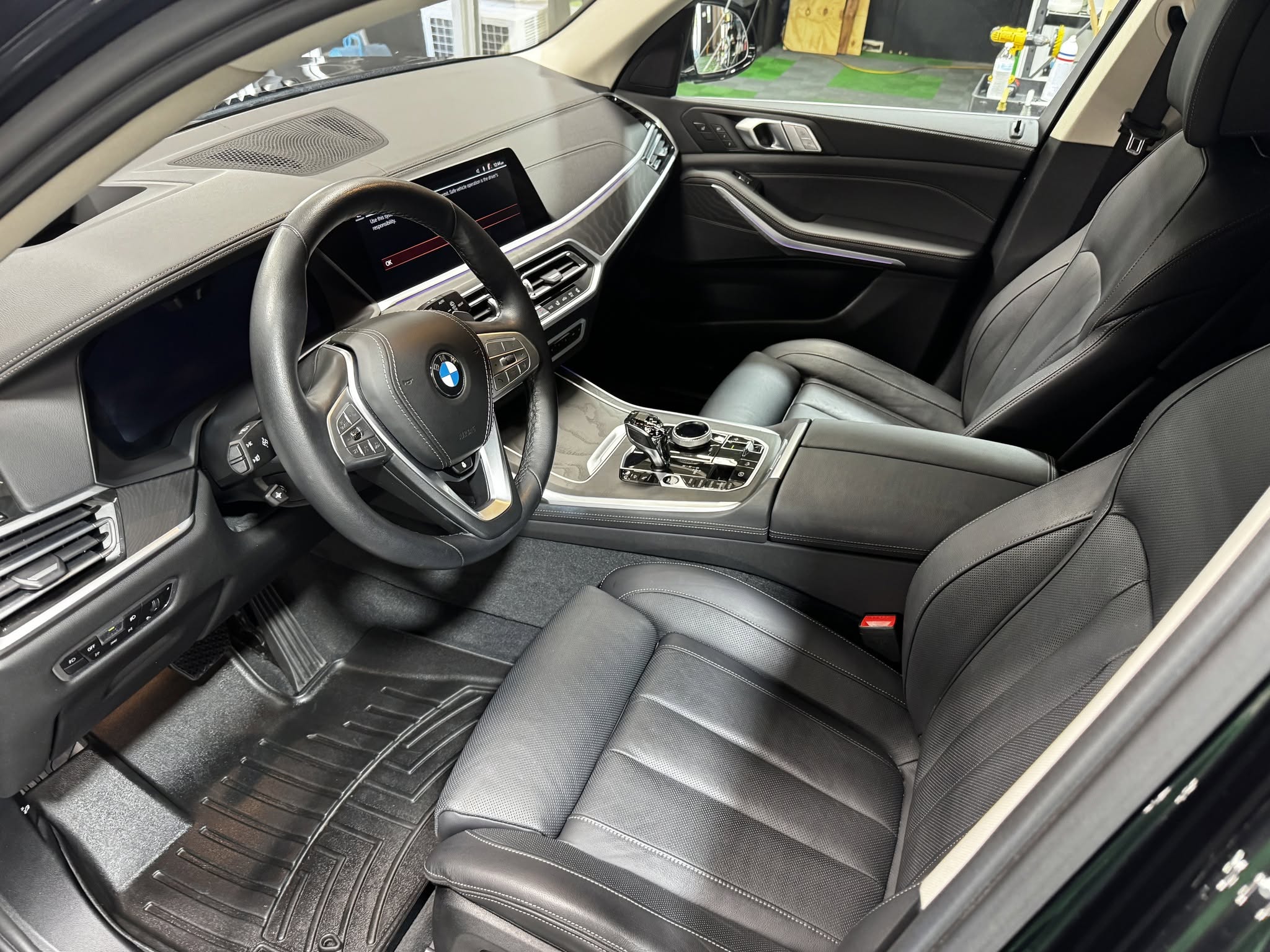
Exteriors get most of the attention in this industry, but interiors take a harder beating for less credit. Sun bakes the dash and seats, kids and pets do what kids and pets do, and a spilled coffee or a muddy paw print doesn’t wait for a convenient time. That’s the case for interior ceramic coating, and it’s become one of the more common questions we get at the shop — so here’s a straight answer on what it does, what it doesn’t, and whether it’s worth it for your vehicle.
What Interior Ceramic Coating Actually Does
An interior ceramic coating is applied to your carpets, and separately to your seats (leather or fabric), creating a hydrophobic and oleophobic barrier on the surface. In plain terms: liquids and oils bead up instead of soaking in, which buys you real time to wipe up a spill before it becomes a stain. It also cuts down on UV fading, and it makes routine cleaning noticeably easier because dirt and grime have a harder time bonding to the fibers or the leather surface.
You won’t notice a visual difference day to day — it doesn’t change the look or feel of your interior. What you will notice is that the coffee that used to mean a trip to the detailer now wipes off with a rag.
What It Does Not Do
Same honesty policy as our exterior coatings: interior ceramic coating does not protect against rips, tears, or physical wear. It’s a chemical and stain barrier, not armor. If a seat gets torn or the carpet gets worn through from years of use, no coating prevents that.
It’s also worth knowing that modern automotive leather is already factory-coated from the manufacturer, which is part of why we don’t push separate leather conditioning as a service — on today’s interiors, it doesn’t do much. A proper interior ceramic coating is the more useful layer of protection for current leather and vinyl surfaces.
Who It’s Actually Worth It For
This one’s less universal than exterior coating. It makes the most sense if any of these sound like your situation: you’ve got kids or pets in the car regularly, you eat or drink in the car, you’re trying to protect resale value on a newer vehicle, or you just had a full interior cleaning done and want to lock in that result instead of watching it slide backward over the next year.
If your daily driver is older, already has visible wear, or you trade vehicles every year or two, it’s a harder case to make financially — and we’ll tell you that directly instead of upselling it anyway.
Prep Matters as Much as the Coating
A coating applied over a dirty or stained interior locks in whatever is already there. Unless the vehicle is brand new, a full interior cleaning has to happen first — carpets extracted, seats cleaned, surfaces properly prepped. The coating itself is the last step, not a shortcut around the cleaning.
How Long It Lasts
Our interior ceramic coating package runs on a 2-year hydrophobic coating for carpets and a 1-year protective coating for seats, so the seat layer is the one that needs refreshing sooner. Packages typically run in the $399 to $499 range depending on vehicle size, and that covers the coating application — the interior cleaning beforehand is priced separately unless the vehicle is new.
Keeping It Working
Maintenance is genuinely low effort: wipe up spills sooner rather than later, vacuum regularly, and skip harsh chemical cleaners that can break down the coating early. That’s most of it. Thinking about coating the paint too? Here’s how to choose a ceramic coating shop.
If you’re trying to figure out whether an interior coating makes sense for your specific vehicle and how you use it, that’s worth a real conversation rather than a guess. Reach out and we’ll walk through it with you, no pressure either way.